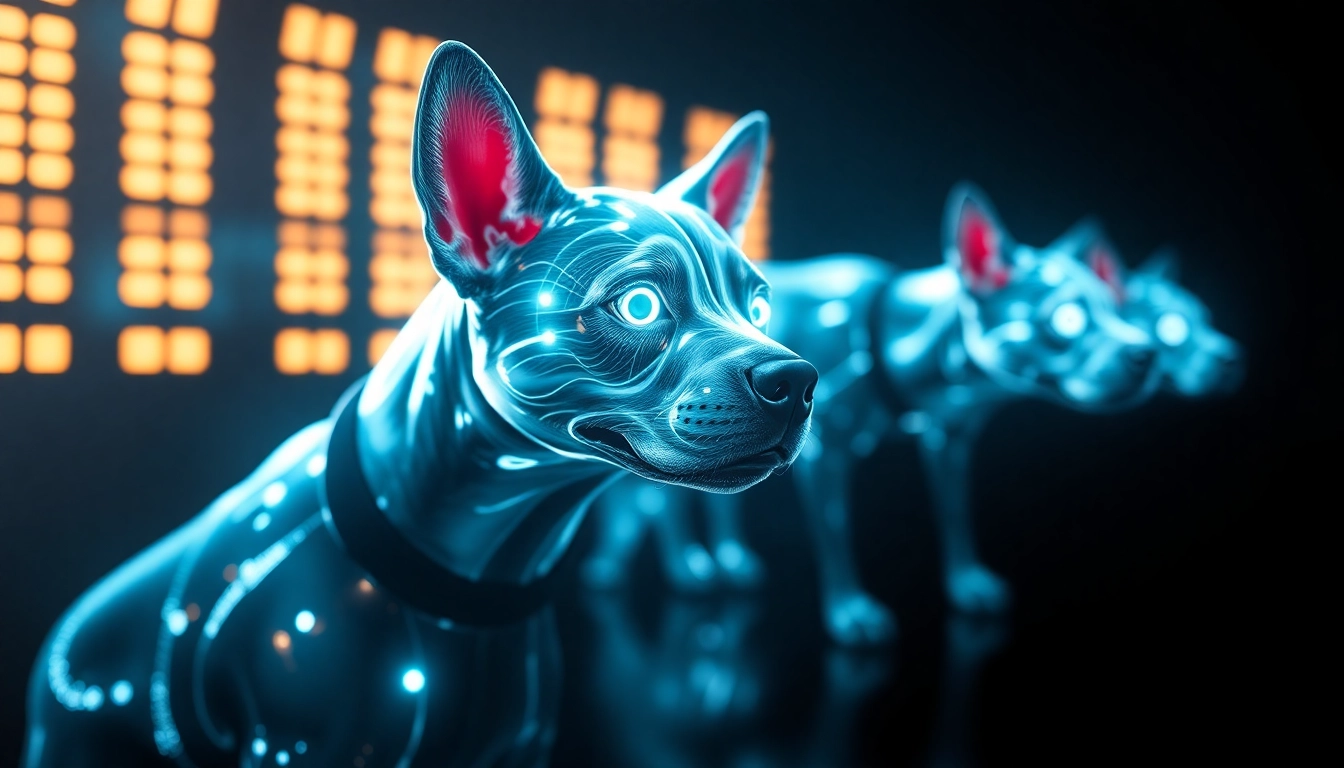
Tom Brady’s Cloned Dog Ignites Biotechnology Ethics Debate
NFL legend Tom Brady has found himself at the center of a growing biotechnology controversy after revealing his new dog Junie is a genetic clone of his former family pet Lua. The seven-time Super Bowl champion’s decision to work with Colossal Biosciences has thrust pet cloning into the spotlight, raising critical questions about animal welfare, scientific ethics, and the future of genetic engineering.
The Science Behind Pet Cloning Technology
Colossal Biosciences, where Brady serves as both investor and advisor, created Junie using a simple blood draw taken from Lua shortly before the pit bull mix passed away in late 2023. The Texas-based company recently acquired Viagen, the firm responsible for cloning Dolly the sheep in 1996 and has since cloned pets for celebrities including Paris Hilton and Barbra Streisand.
How Colossal’s Cloning Process Works
The cloning technology employed by Colossal represents significant advancements in genetic engineering. Through non-invasive procedures, scientists can create genetic duplicates using preserved DNA samples. The company claims this approach provides pet owners with “a second chance” with beloved companions while driving innovation in conservation technology.
Conservation Applications and Species Preservation
Beyond companion animals, Colossal has broader ambitions for species restoration. The company recently produced three “wolf-dogs” containing dire wolf DNA extracted from ancient specimens, demonstrating how cloning technology could potentially contribute to conservation efforts and biodiversity preservation.
Ethical Concerns and Animal Welfare Questions
The growing pet cloning industry faces mounting criticism from animal rights organizations and ethical watchdogs. Critics argue that the practice raises fundamental questions about playing God with nature while millions of adoptable animals remain in shelters awaiting homes.
Animal Rights Organizations Respond
PETA has condemned pet cloning as “a horror show: a waste of lives, time, and money,” while the ASPCA has called for a moratorium on cloned and bioengineered pet sales. Both organizations point to concerns about anatomical problems in cloned mammals and the industry’s relative lack of regulation.
Success Rates and Lifespan Concerns
A 2022 Nature study revealed concerning statistics about dog cloning, with only 2% of attempts resulting in living puppies and approximately 20% of cloned dogs dying shortly after birth. However, Colossal maintains that their cloned animals live normal lifespans and quality of life.
The Future of Commercial Pet Cloning
Despite ethical concerns, the commercial pet cloning market continues to expand. Colossal defends its practices by emphasizing their welfare monitoring systems and the conservation applications of their technology. As biotechnology advances, the debate over where to draw the line in genetic engineering grows increasingly complex.
The company maintains that their work represents responsible innovation, with Chief Animal Officer Matt James stating, “The tools and techniques developed through Viagen’s processes ensure the welfare of critically endangered species and ecosystems.” As public figures like Brady bring attention to cloning technology, the conversation about its ethical boundaries continues to evolve.