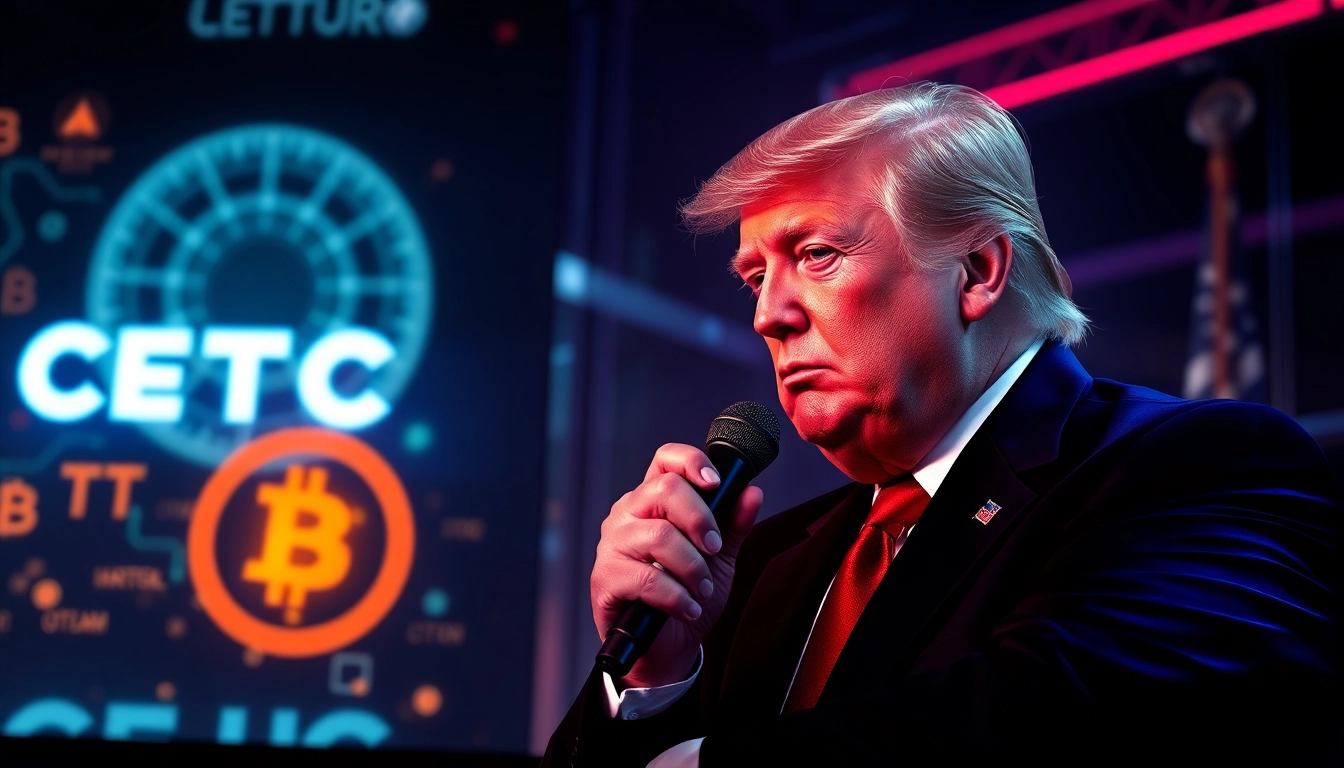
CFTC Nominee Selig Faces Senate Vote with Bold Crypto Vision
Michael Selig, President Donald Trump’s nominee to lead the Commodity Futures Trading Commission (CFTC), is poised for a full Senate confirmation vote following a narrow 12-11 party-line committee approval. The nominee, currently chief counsel for the SEC’s Crypto Task Force, has pledged to work toward making America “the Crypto Capital of the World,” a vision that arrives amid significant regulatory shifts at the agency.
Agency Navigates Leadership Void and Expanded Mandate
The confirmation process unfolds as the CFTC prepares to assume greater authority over digital asset markets while operating with only one seated commissioner since September. This has created what observers describe as severe leadership constraints. During his November hearing, Selig faced questions about whether the agency’s 543 employees can manage expanded crypto oversight responsibilities that Congress is preparing to assign through pending legislation like the CLARITY Act.
CFTC Scraps Key Guidance, Greenlights Spot Crypto Trading
In a major policy shift, Acting Chair Caroline Pham announced the withdrawal of the CFTC’s 2020 “actual delivery” guidance for virtual currencies. This framework had classified digital assets as a separate regulatory category and imposed compliance requirements like a 28-day asset possession standard.
Impact of the Regulatory Rollback
The withdrawal allows Bitcoin, Ethereum, and other digital assets to fall under the CFTC’s general technology-neutral framework, significantly reducing compliance burdens for exchanges seeking to list new products. This change follows the agency’s recent landmark authorization of spot crypto trading on federally regulated futures exchanges for the first time, bringing direct buying and selling onto platforms that have operated under federal standards for nearly a century.
Pilot Program Tests Digital Asset Collateral
The CFTC is advancing its regulatory agenda through a new pilot program launched on December 8. This initiative authorizes Bitcoin, Ether, and the stablecoin USDC to serve as collateral in derivatives markets. The three-month program requires futures commission merchants to submit detailed weekly reports, providing regulators with unprecedented real-time visibility into the performance of these digital assets under supervised conditions.
Leadership Challenges and Legislative Outlook
The agency has operated with reduced leadership since January, following the resignation of Chair Rostin Behnam. This gap has slowed policy coordination with Congress on legislation that would grant the CFTC primary oversight of spot crypto markets. House Agriculture Committee Chairman Glenn Thompson plans to invite Selig early next year to discuss his agenda for the agency’s first reauthorization in over a decade, signaling that crypto regulation will be a top legislative priority.
The nomination of Michael Selig represents a potential turning point for U.S. crypto regulation. His confirmation could accelerate the CFTC’s shift toward a more innovation-friendly framework, aligning with the broader political push to establish American dominance in the rapidly evolving digital asset landscape.