Warren Raises National Security Alarm Over Decentralized Exchanges
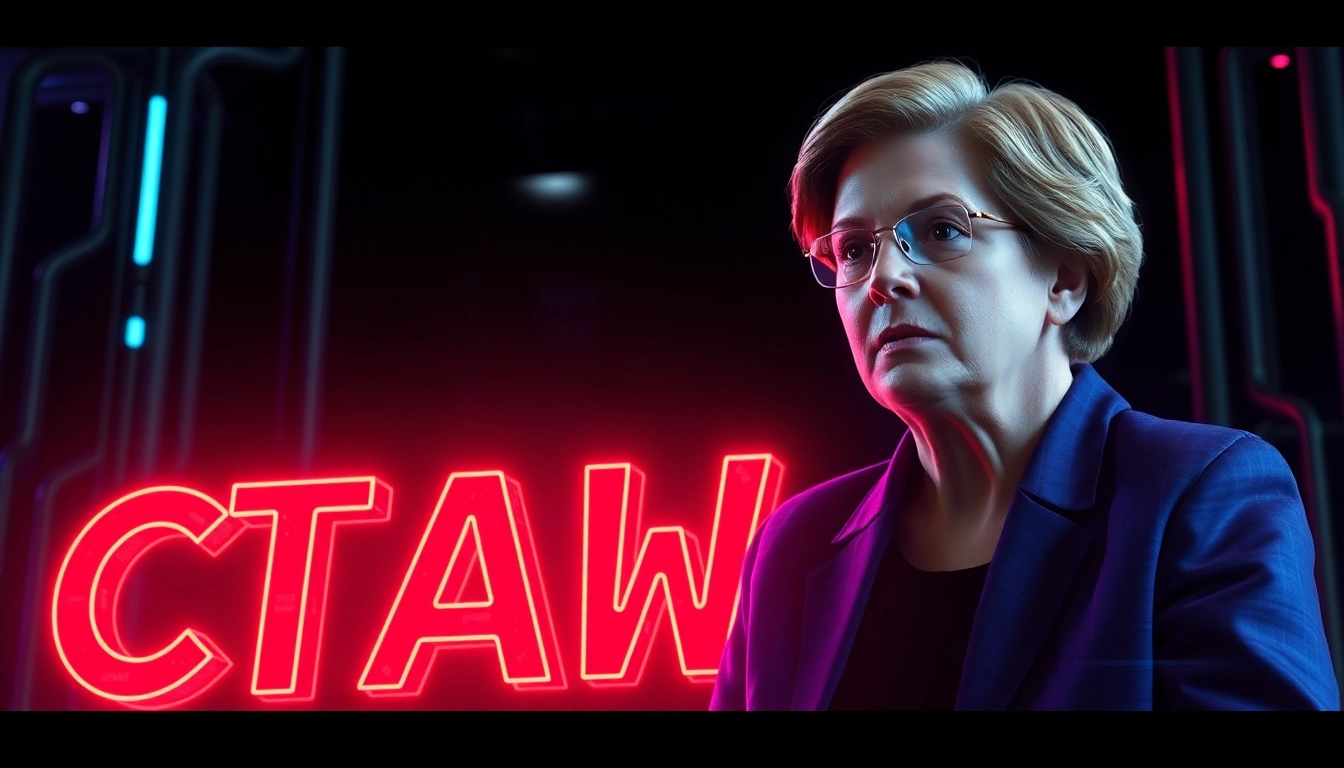
Senator Elizabeth Warren (D-MA) has escalated her scrutiny of the cryptocurrency industry, directing a pointed inquiry toward the U.S. Treasury and Justice Department. In a formal letter this week, Warren highlighted what she perceives as significant national security vulnerabilities posed by decentralized exchanges (DEXs), specifically naming the popular platform PancakeSwap. The senator’s concerns center on the platform’s alleged role in laundering funds for state-sponsored hackers and its connections to Trump-affiliated crypto projects.
The Core of Warren’s Inquiry
Warren’s letter, addressed to Treasury Secretary Scott Bessent and Attorney General Pamela Bondi, demands answers by January 12, 2026. She seeks clarity on regulatory gaps that may leave the U.S. financial system exposed and details on any ongoing investigations into crypto-related conflicts of interest, including those potentially involving the Trump family. “The public deserves to know whether you are investigating the serious risks identified by national security experts and the crypto industry itself,” Warren wrote.
PancakeSwap Under Scrutiny for Illicit Finance
The senator’s alarm is supported by blockchain analytics from firms like Allium and TRM Labs. These reports link PancakeSwap to the laundering of a portion of the $835 million stolen from the Bybit exchange in February 2025—cryptocurrency’s largest-ever heist, allegedly orchestrated by North Korean hackers. Warren argues that the lack of mandatory Know Your Customer (KYC) controls on DEXs enables bad actors to “move, mix, and cash out illicit funds” with relative impunity.
The Trump Crypto Connection
Beyond North Korean cybercrime, Warren’s letter zeroes in on PancakeSwap’s promotion of USD1, a stablecoin issued by World Liberty Financial (WLF), a DeFi project backed by former President Donald Trump. In June 2025, PancakeSwap ran a liquidity drive for USD1 trading pairs, offering over $1 million in prizes. Warren expressed “especially concern about any improper political influence” following the recent integration of USD1 on Binance, which occurred months after the exchange’s former CEO, Changpeng ‘CZ’ Zhao, received a presidential pardon.
A Pattern of Political Scrutiny
This is not Warren’s first foray into investigating Trump’s crypto ties. She has previously questioned the pardon of CZ and raised alarms about the GENIUS Act, which she claimed “supercharges President Trump’s corruption.” Her efforts align with a recent House Democrat report labeling the Trump White House a “crypto startup operation” and alleging the family profited over $800 million from crypto ventures in 2025.
Broader Implications for Crypto Regulation
Warren’s latest move underscores a persistent and deepening political divide over cryptocurrency regulation in the United States. It frames DEXs not just as innovative financial tools but as potential vectors for national security threats and political corruption. The demand for answers from top officials signals a push for more aggressive oversight of decentralized finance (DeFi) protocols, which have largely operated outside traditional financial surveillance frameworks. The industry’s response and the agencies’ January deadline will be critical indicators of the regulatory road ahead.