Google DeepMind and Boston Dynamics Forge AI-Robotics Alliance
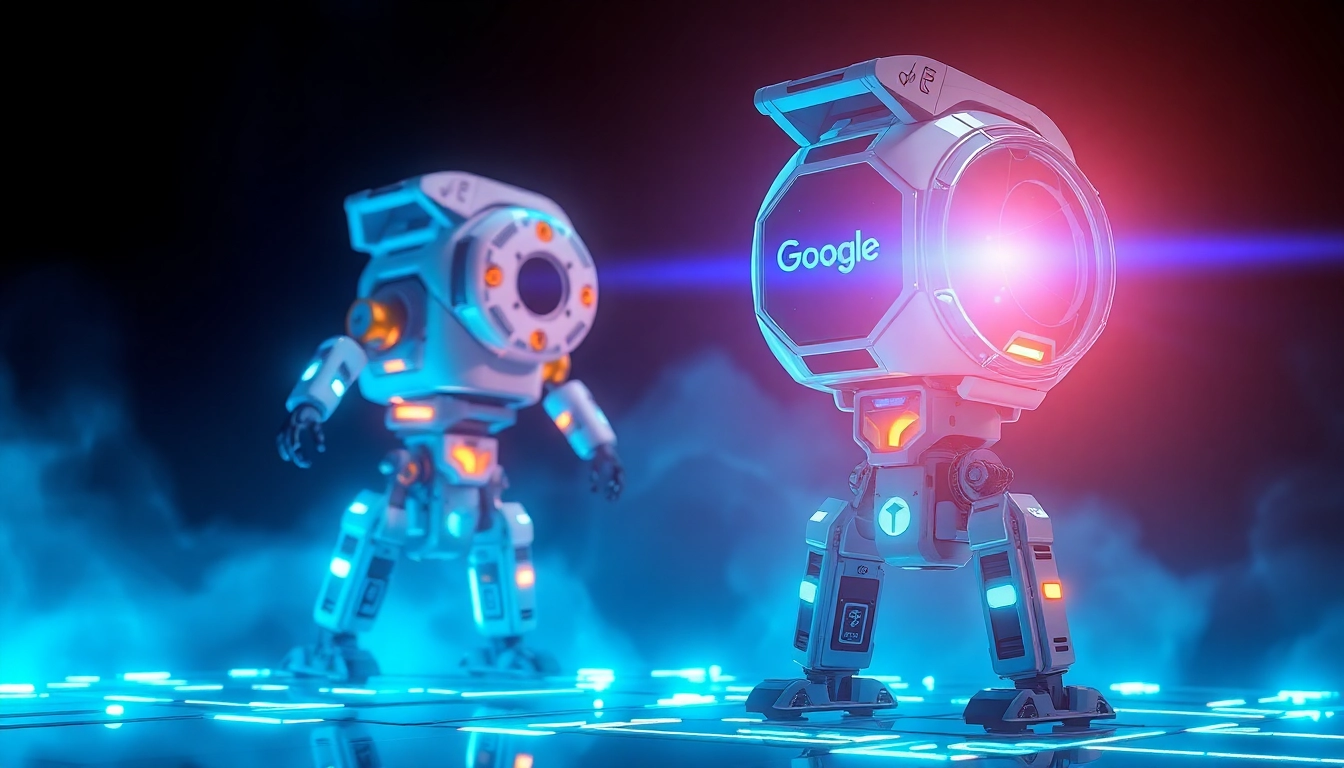
Google DeepMind has entered a definitive partnership with Boston Dynamics to integrate its Gemini artificial intelligence system into the Atlas humanoid robot platform. The core objective is to enhance the robots’ capabilities in navigating unfamiliar environments and manipulating objects, with a primary focus on industrial applications, specifically automotive factory operations.
The Technical Integration: From AI to Physical Action
The Gemini AI stack provides Atlas with advanced perception, planning, and problem-solving capabilities, enabling autonomous operation in dynamic, unstructured settings. This includes specific functions like reasoning, spatial awareness, and real-time decision-making. The robots are designed to handle manual tasks such as sorting components and managing complex workflows on production lines.
Hyundai’s Factory Floor as the Primary Testbed
Hyundai Motor Group is among the first companies exploring deployment, actively testing Gemini-powered Atlas units on its factory floors. The automaker is examining potential applications to improve operational efficiency while maintaining stringent safety standards. Boston Dynamics’ Atlas platform will serve as the critical testbed for refining Gemini’s control systems, allowing the robots to respond to physical obstacles and task-specific challenges.
Market Analysis: The $1 Trillion Convergence of AI and Robotics
This partnership represents a monumental step in the convergence of advanced AI and sophisticated robotics, targeting a manufacturing and logistics automation market projected to exceed $1 trillion. The collaboration aims to accelerate the adoption of autonomous humanoid robots in industries where flexibility and precision are paramount.
Direct Implications for AI and Semiconductor Markets
The scaling of intelligent robotics directly fuels demand for the underlying technology stack. This is profoundly bullish for:
- AI Infrastructure & Compute: Companies like NVIDIA (NVDA), which supply the GPU hardware required to train and run models like Gemini, stand to benefit from increased enterprise AI adoption.
- AI-Centric Crypto Tokens: Projects focusing on decentralized AI compute (e.g., Render Network’s RNDR) or AI-driven data protocols could see renewed investor interest as real-world AI integration stories gain traction.
The Broader Crypto and Macro Hedge Angle
While this news is not directly crypto-related, it underscores a dominant macro theme: the relentless acceleration of technological automation and AI integration. For investors, this reinforces two key theses:
- Digital Asset as a Hedge: As capital floods into transformative tech like AI and robotics, a portion seeks asymmetric growth opportunities. High-beta tech altcoins (SOL, AI-sector tokens) often act as a risk-on proxy for this sentiment.
- Productivity and Inflation: Widespread automation promises long-term deflationary pressure by reducing labor costs and boosting efficiency. This environment is historically favorable for hard, scarce assets like Bitcoin (BTC), which trades at $90,622.00, and Ethereum (ETH), at $3,107.80, as potential hedges against currency debasement in a high-productivity future.
Investor Takeaway: A Bullish Signal for Tech Integration
The Google-Boston Dynamics-Hyundai trial is a concrete validation of AI’s move from digital to physical value creation. This is a bullish indicator for the broader technology sector, particularly for companies enabling the AI infrastructure layer. For crypto markets, it reinforces the investment narrative around digital assets as exposure to foundational technological shifts. While immediate price action may be detached, the long-term capital flows into disruptive tech are a net positive for the digital asset ecosystem.
Market Outlook: Bullish on the thematic convergence of AI, robotics, and automation. This development supports growth narratives for both leading tech equities and high-conviction crypto projects in adjacent sectors.