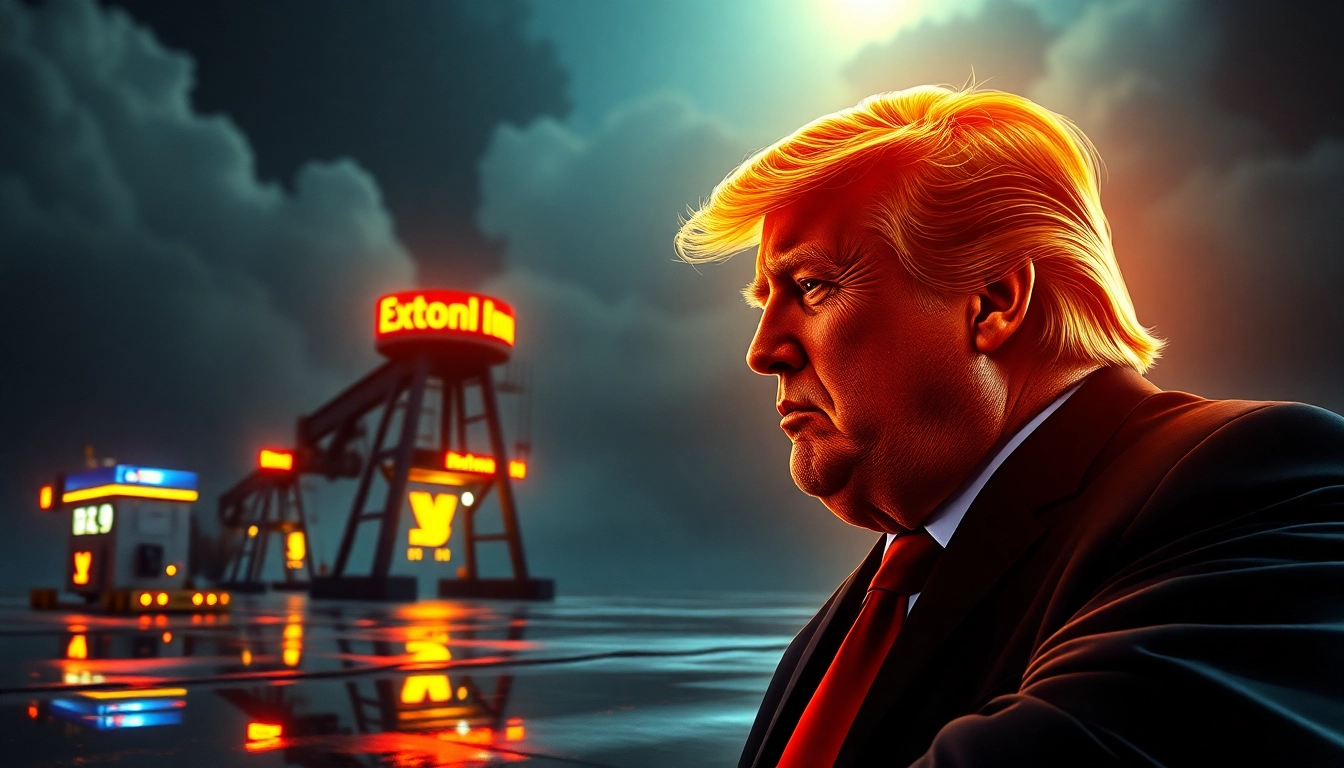
Trump Demands Lower Fuel Prices
President Donald Trump on Monday, Aug. 3, 2026, called on ExxonMobil and Chevron to cut US fuel prices after the oil majors earned roughly $26.5 billion combined during the second quarter. In remarks at the White House, Trump said the companies were making “too much money” from an oil shortage related to the Iran war.
“They’re making too much money based on a shortage. I don’t like it,” Trump told reporters. He urged both companies to pass part of their gains back to consumers through lower retail prices. “Chevron, too much money. ExxonMobil, too much money. They’re going to give some of that back to the public,” he said. A CSPAN post on X quoted Trump as saying, “I don’t like it… They ought to give some of that back to the public.”
The remarks marked an unusual rebuke of two companies that have generally benefited from Trump’s support for expanded US oil and gas production. Trump also criticized Chevron CEO Mike Wirth, claiming Wirth had not given the administration enough credit for policies that supported Chevron’s operations in Venezuela.
Exxon and Chevron Post Blockbuster Q2 Profits
ExxonMobil’s Quarter
ExxonMobil reported second-quarter earnings of $14.5 billion, or $3.48 per share, compared with $7.1 billion a year earlier. Adjusted earnings reached $14.7 billion, while operating cash flow totaled $23.6 billion. The company returned $9.4 billion to shareholders through $4.3 billion in dividends and $5.1 billion in share buybacks.
Chevron’s Quarter
Chevron earned $12.1 billion during the same period, up from about $2.5 billion in the second quarter of 2025. The company also reported record US production and a 20% increase in worldwide output. Higher crude prices and wider refining margins helped both companies offset rising costs. The Iran war pushed West Texas Intermediate crude as high as $109.64 per barrel during the quarter, compared with $65.17 before the conflict intensified.
Iran War Keeps Pressure on US Consumers
US gasoline prices have climbed by more than 30% since the United States and Israel began strikes against Iran, increasing pressure on household budgets ahead of the midterm elections. The Strait of Hormuz remains central to the price outlook because it serves as a major route for global oil and liquefied natural gas shipments. Restrictions, tanker attacks, and the US blockade have disrupted normal traffic through the waterway.
The American Petroleum Institute defended the industry’s earnings, saying fuel prices reflect global market conditions rather than decisions by individual producers. Crude oil costs, refining margins, distribution expenses, and taxes all contribute to retail gasoline prices. Trump said prices would fall sharply if the war ended. However, the administration has no direct authority to set the retail prices charged by oil companies or independent fuel stations.
Oil Slips as Trump Pauses Iran Strikes
Oil prices dropped on Monday after Trump called off another planned strike against Iran and said negotiations could reopen the Strait of Hormuz. WTI crude fell more than 5% to around $80 per barrel, while US gasoline futures also declined nearly 5%. The retreat reflected expectations that a diplomatic agreement could restore more shipping activity and reduce supply risks.
Trump described the negotiations as Iran’s “last chance” to secure an agreement. He said the proposed talks would address the strait first before moving to Iran’s nuclear program. Tehran disputed Trump’s account, saying it was not negotiating directly with Washington. Iranian officials said they were instead holding discussions with Oman over a temporary safe route through the strait, leaving the timing and scope of any agreement uncertain.